




As farm bill negotiations continue in Washington, it’s fairly certain that the Supplemental Nutrition Assistance Program, or SNAP, will be cut. One proposal would trim the food stamp program by $4 billion over the next decade; the other would cut roughly ten times that much. That’s after the Obama Administration’s recession-era boost to SNAP expired November 1st, leaving the average family with about 30 dollars less to spend each month.
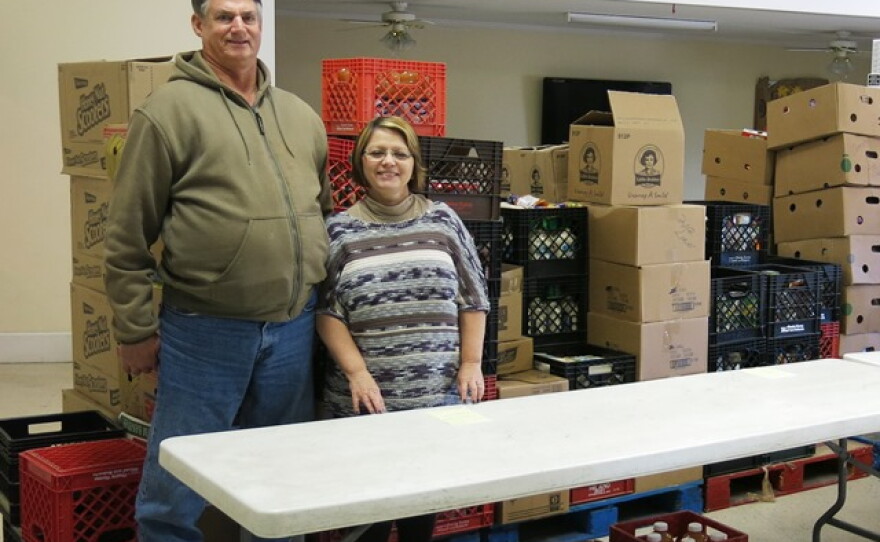
This isn’t just an urban concern. Families living amid fertile farmland struggle to put food on the table and increasingly rely on SNAP benefits. Since the year 2000, the number of rural counties experiencing high poverty has gone up nearly 30 percent.
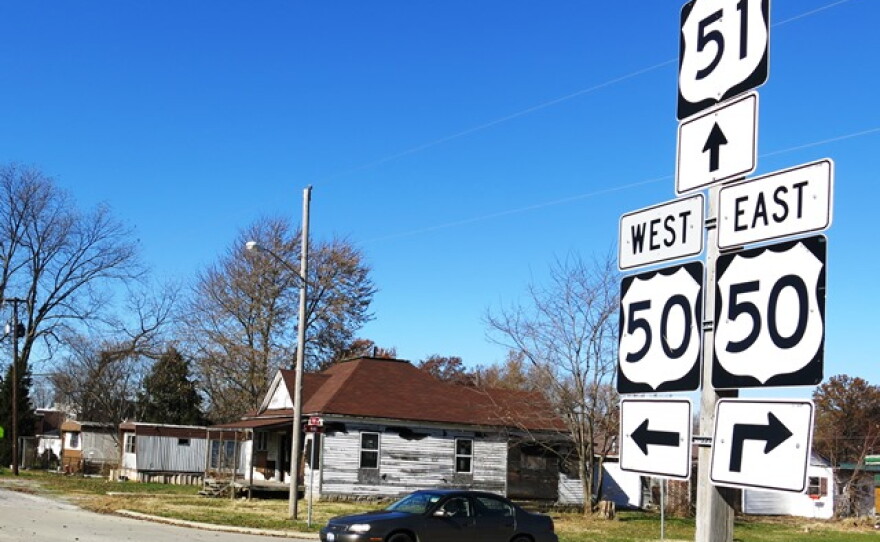
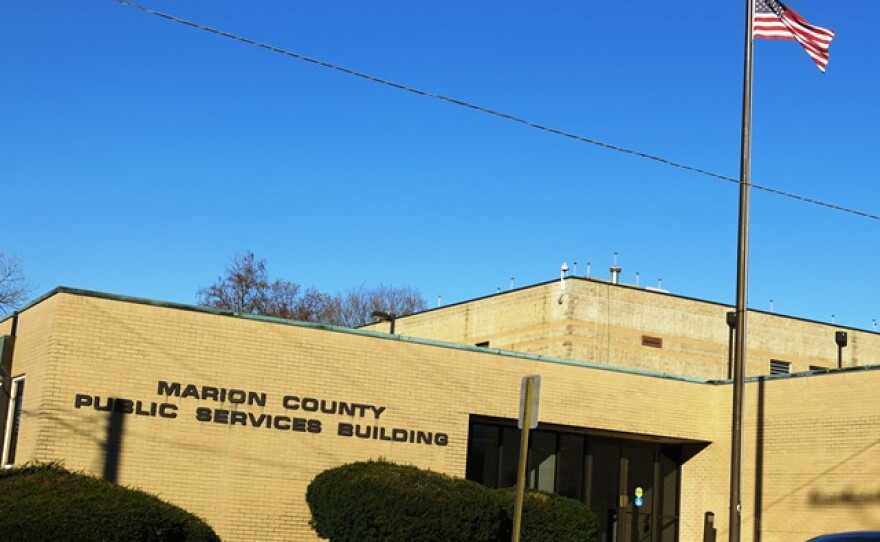
To understand the hunger issues in rural America, Harvest Public Media’s Peter Gray traveled to Marion County, east of Saint Louis, which has a higher percentage of food stamp eligibility than the city of Chicago. He filed this report.
Harvest Public Media is a collaborative of public radio and television stations throughout the Midwest, reporting on farms, food and rural America. You can find this story and more at Harvest Public Media.org.